How Dirty Walls Affect Indoor Air Quality
Dirty walls can harbor dust, mold, and allergens that negatively impact indoor air quality, but local service providers can effectively clean and improve your home's air environment.
If you’ve ever wondered how dirty walls can impact the quality of indoor air, you’re in the right place. Over time, walls can accumulate dust, dirt, mold, and other pollutants that may not be visible at first glance but can influence the air you breathe daily. Property owners in the area often find it beneficial to understand this connection, especially when considering ways to improve overall indoor comfort and health. Exploring how dirt and grime on walls affect indoor air quality can reveal simple yet effective steps to create a cleaner, healthier living or working environment.
Local contractors who specialize in wall cleaning services can help address these concerns by thoroughly removing built-up contaminants. Regular cleaning of walls not only refreshes the appearance of a space but also reduces potential sources of airborne pollutants. For property owners seeking practical solutions, connecting with experienced professionals ensures that walls are properly cleaned and maintained, contributing to better indoor air quality. Keep reading to learn more about the impact of dirty walls and how local service providers can assist in maintaining a healthier indoor environment.
- Interior wall cleaning - when walls have accumulated dust, mold, or grime that can contribute to poor indoor air quality, local contractors use specialized cleaning methods to remove contaminants.
- Mold and mildew removal - in cases where mold growth on walls impacts air quality, local service providers employ targeted cleaning techniques to eliminate spores and prevent health issues.
- High dust wall cleaning - homes with visible dust buildup on walls may experience decreased air quality, and local pros can perform thorough dust removal to improve indoor conditions.
- Wall surface restoration - after staining or smoke damage, walls can harbor airborne pollutants, and local contractors can restore surfaces to reduce indoor air contaminants.
- Allergy-related wall cleaning - for households dealing with allergy symptoms linked to wall dust and allergens, local pros can perform deep cleaning to help improve air quality indoors.
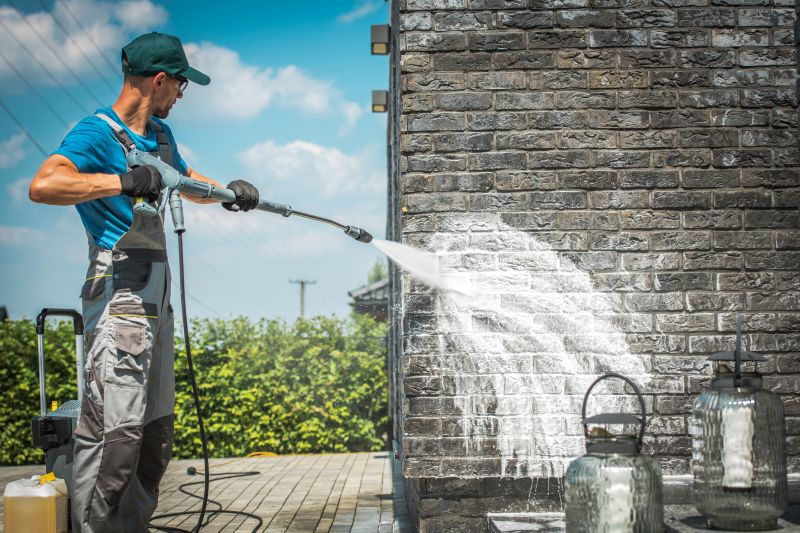
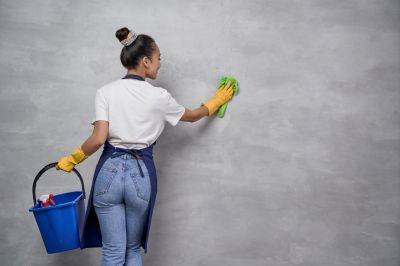
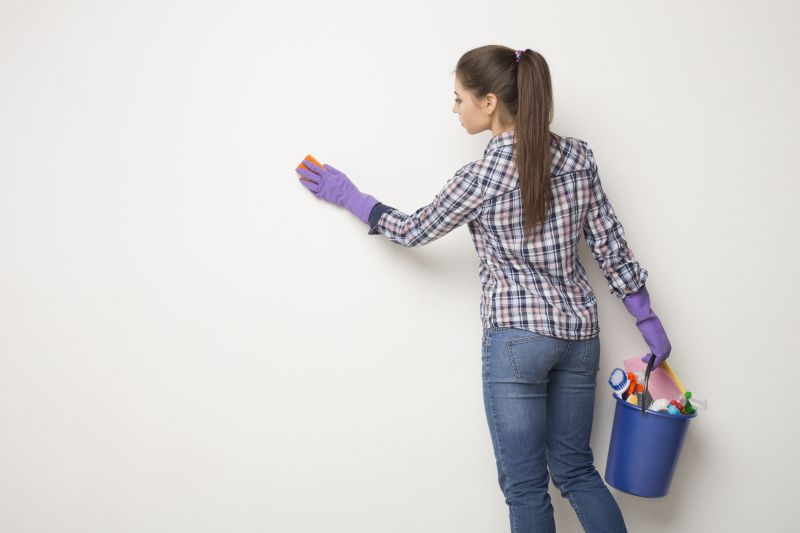
When people search for how dirty walls affect indoor air quality, they often want to understand the connection between visible grime and the health of the indoor environment. Over time, walls can accumulate dust, dirt, grease, and other airborne particles that settle into the surface. These contaminants can become airborne again when disturbed, contributing to poor air quality inside a home or commercial space. Homeowners concerned about allergies, asthma, or general respiratory health frequently explore this topic to determine whether cleaning their walls might improve the air they breathe daily.
This concern is often tied to problems like increased dust levels, persistent odors, and the presence of allergens that can trigger health issues. Dirty walls can harbor mold spores, bacteria, and other pollutants that may not be immediately visible but can significantly impact indoor air quality. Planning to refresh or deep clean a property often involves considering whether wall cleaning is necessary to reduce airborne contaminants. For property owners managing renovation projects or preparing a space for new occupants, understanding how dirty walls influence air quality can inform decisions about cleaning strategies and maintenance routines.
The types of properties most commonly associated with this issue include residential homes, especially older houses with painted or wallpapered walls, as well as commercial buildings like offices, restaurants, and retail stores. In multi-unit buildings or spaces with high foot traffic, walls tend to accumulate dirt and grime more quickly, making regular cleaning more important. Even in newer properties, areas near kitchens or bathrooms are prone to faster buildup of grease, mold, or moisture-related contaminants. These environments often benefit from professional wall cleaning services to ensure that indoor air remains healthy and free from pollutants that can originate from dirty surfaces.
Local service providers specializing in wall cleaning are equipped to address these concerns effectively. They can remove dust, stains, mold, and other residues that contribute to poor indoor air quality. Proper cleaning not only enhances the appearance of walls but also helps reduce airborne particles that can exacerbate respiratory issues or cause discomfort. For homeowners and property managers, connecting with experienced wall cleaning professionals can be a practical step toward maintaining a cleaner, healthier indoor environment. This approach ensures that walls are thoroughly cleaned using methods suited to the specific surface, ultimately supporting better air quality inside the space.
Wall cleaning and maintenance - professionals who specialize in cleaning walls can help remove buildup that impacts indoor air quality, similar to how dirty walls affect indoor air quality.
Indoor air quality testing - specialists assess air quality levels and identify sources of pollutants, including wall residues and contaminants that can affect health.
Mold remediation services - contractors who remove mold from walls and surfaces help improve indoor air quality by eliminating mold spores that can be released into the air.
Home inspection services - inspectors evaluate wall conditions and identify issues like dirt or mold that could contribute to poor indoor air quality.
Painting and surface preparation - painters and surface prep experts ensure walls are clean and free of substances that could degrade air quality over time.
HVAC cleaning and duct services - providers who clean ducts and vents help reduce airborne particles originating from dirty walls and surfaces, improving overall indoor air quality.
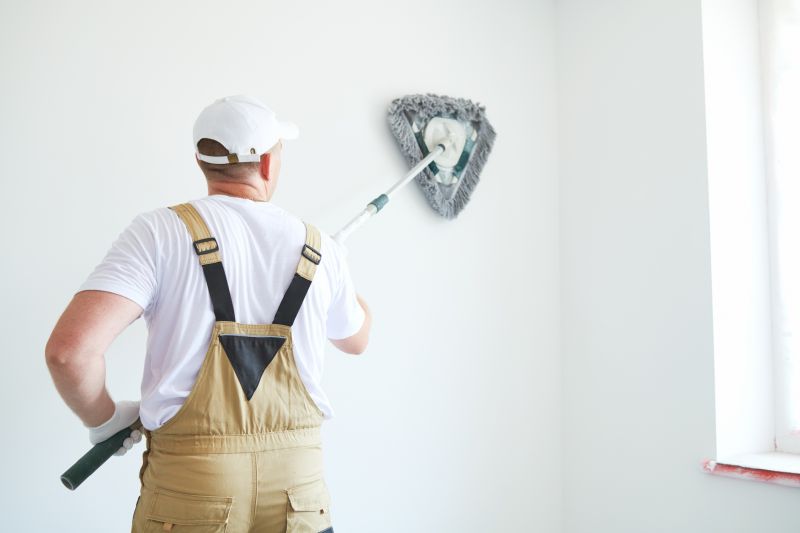
When comparing service providers for dirty wall cleaning, it’s important to consider their experience with similar projects. Homeowners should inquire about how long a contractor has been working with wall cleaning or related indoor air quality improvement services. An established track record can indicate familiarity with different wall types, common issues caused by dirt buildup, and effective cleaning techniques. A contractor’s history of handling projects similar to the scope of cleaning needed can provide confidence that they understand the nuances involved in restoring walls to improve indoor air conditions.
Clear written expectations are essential when evaluating potential service providers. Homeowners should seek detailed descriptions of what the cleaning process entails, including the methods used and any areas that will be addressed. Transparent communication about what to expect helps prevent misunderstandings and ensures the homeowner’s concerns about indoor air quality are addressed thoroughly. Reputable contractors will be willing to provide this information upfront, enabling homeowners to compare how well each provider’s approach aligns with their needs and priorities.
Reputable references and strong communication practices are key factors in choosing the right local contractor. Homeowners can ask for references from previous clients who had similar cleaning services performed, especially those focused on indoor air quality improvements. Listening to feedback about the contractor’s professionalism, reliability, and quality of work can inform the decision-making process. Additionally, responsive and clear communication throughout the inquiry process indicates a contractor’s commitment to customer service. This helps ensure that expectations are understood and that any questions or concerns about how dirty walls affect indoor air quality are addressed effectively before work begins.
Property owners often search for how dirty walls affect indoor air quality when they are planning practical projects around their homes and businesses. Local pros provide Dirty Wall Cleaning services for everyday jobs and straightforward project options.
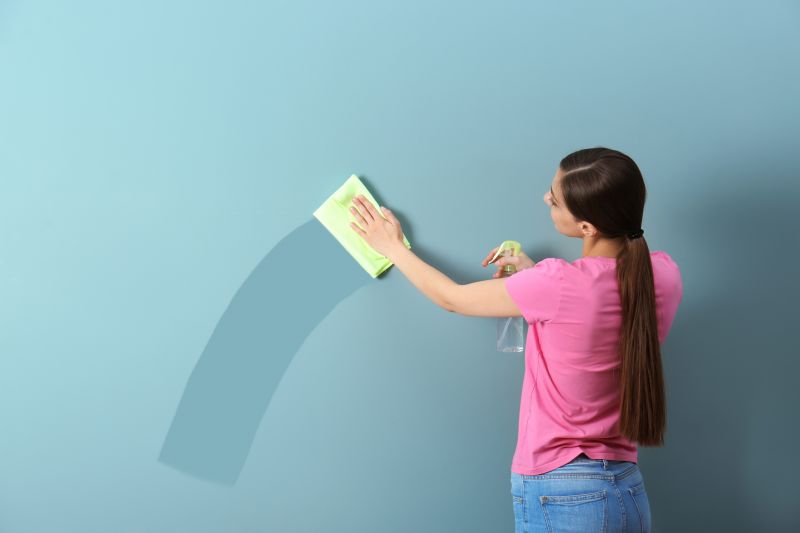
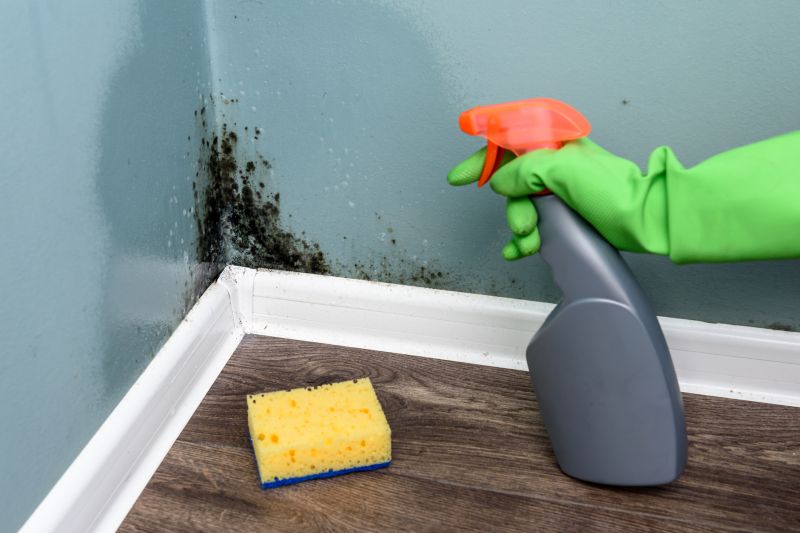
Dirty walls can significantly impact indoor air quality by trapping dust, mold, and other airborne particles that circulate throughout a home or commercial space. Over time, these layers of grime and buildup can become sources of allergens and irritants, potentially worsening respiratory issues or allergies for occupants. Property owners in the area who notice persistent dust or visible stains on their walls might consider exploring cleaning options to improve overall air cleanliness and create a healthier indoor environment.
For those seeking to address this issue, local contractors specializing in wall cleaning services offer practical solutions to remove dirt, stains, and contaminants from surfaces. These professionals can help restore walls to a cleaner state, reducing the presence of airborne particles associated with dirty walls. Connecting with experienced service providers ensures that walls are thoroughly cleaned, which can contribute to better indoor air quality and a more comfortable living or working space.
How do dirty walls impact indoor air quality? Dirty walls can harbor dust, mold, and allergens that may become airborne, potentially affecting indoor air quality and contributing to respiratory issues.
Can cleaning walls improve indoor air quality? Yes, professional cleaning of walls can remove accumulated dirt, mold, and allergens, helping to improve the overall indoor air environment.
What types of contaminants on walls are most concerning for air quality? Common concerns include dust, mold spores, pet dander, and smoke residue, all of which can negatively influence indoor air quality if not properly cleaned.
Why should I consider hiring local contractors for wall cleaning? Local contractors have the expertise and equipment to thoroughly clean walls, reducing airborne contaminants and enhancing indoor air quality effectively.
How often should walls be cleaned to maintain good indoor air quality? Regular cleaning, typically every 1-2 years or as needed, can help prevent buildup of dirt and mold that may impact indoor air quality.
Assessing wall cleanliness - property owners can evaluate the extent of dirt buildup on walls to determine if professional cleaning is needed to improve indoor air quality.
Scheduling regular wall cleaning - setting up routine cleaning projects with local contractors helps maintain cleaner walls and reduces airborne pollutants indoors.
Choosing appropriate cleaning methods - property owners can work with local pros to select effective cleaning techniques that remove dust, mold, and other contaminants from walls.
Addressing mold and mildew issues - timely removal of mold from walls by local service providers can prevent airborne spores that negatively impact indoor air quality.
If you are thinking about how dirty walls affect indoor air quality for a property, this guide is meant to help you understand this topic, the typical project types, and how different options might fit your plans.
When you are ready, you can use the quote form on this page to share a few details about your project. From there, local pros can review the basics and follow up with options that match what you have in mind.